
Lime Works
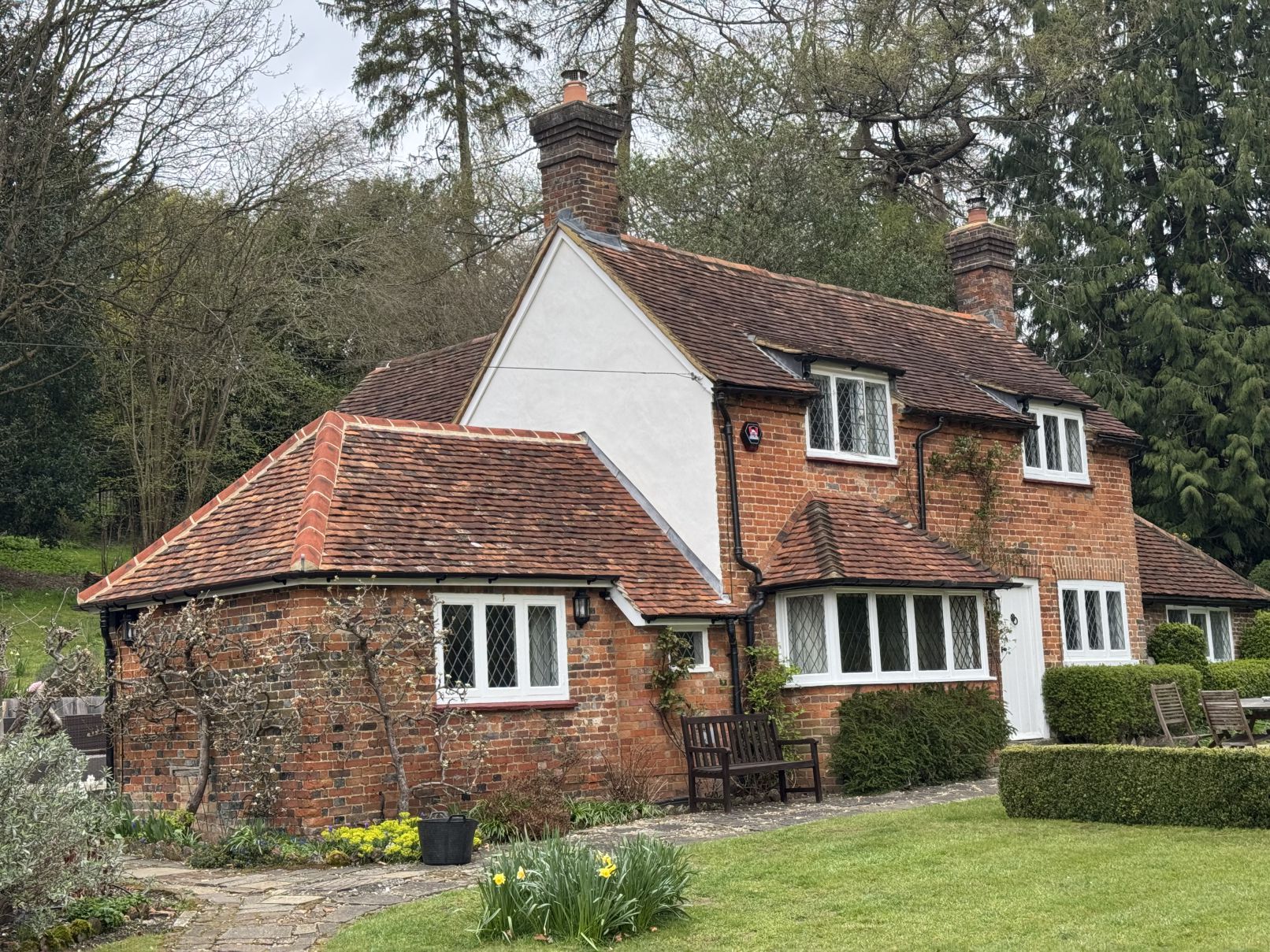
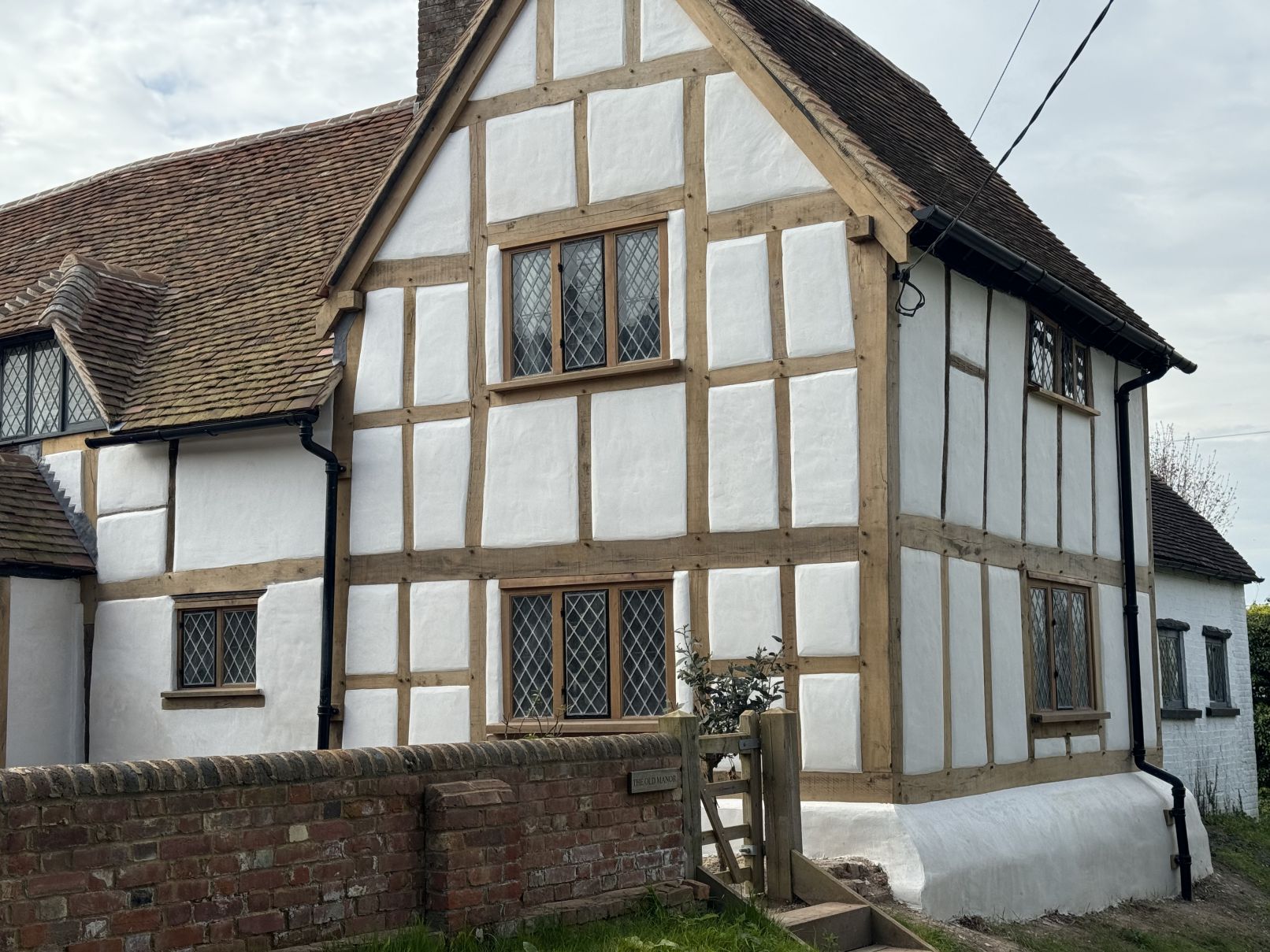
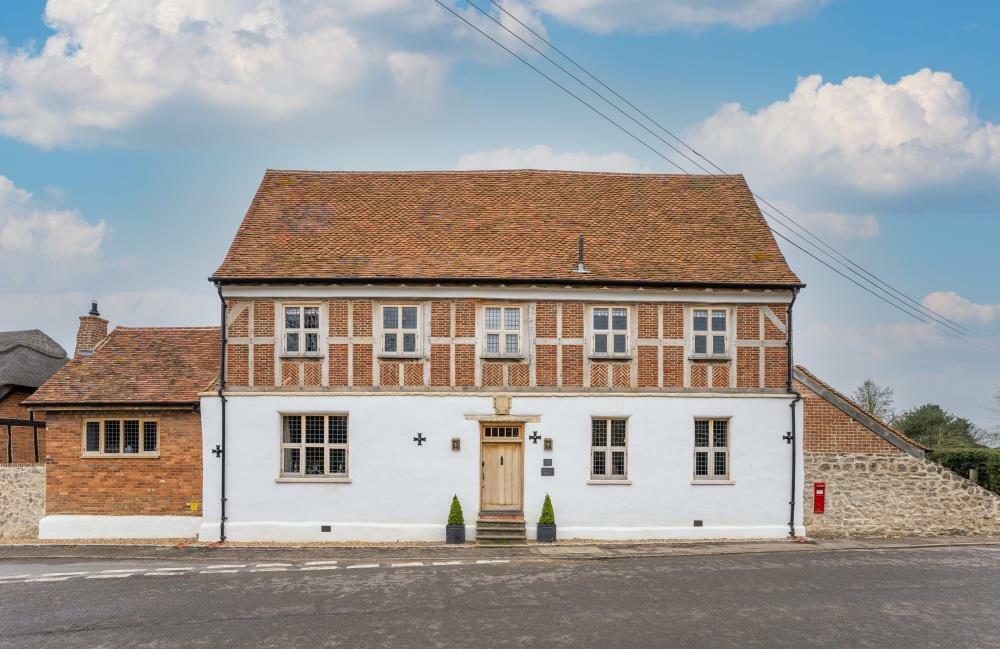
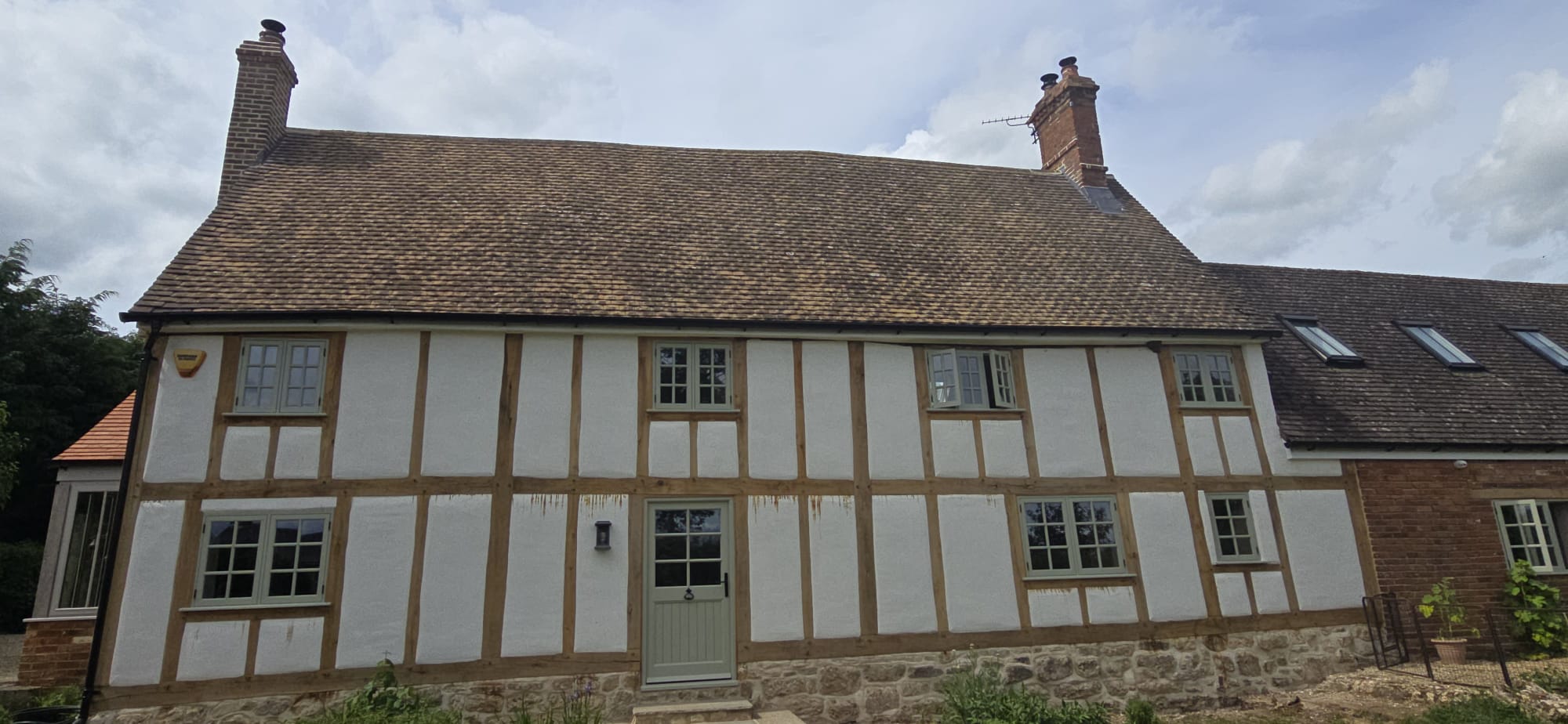
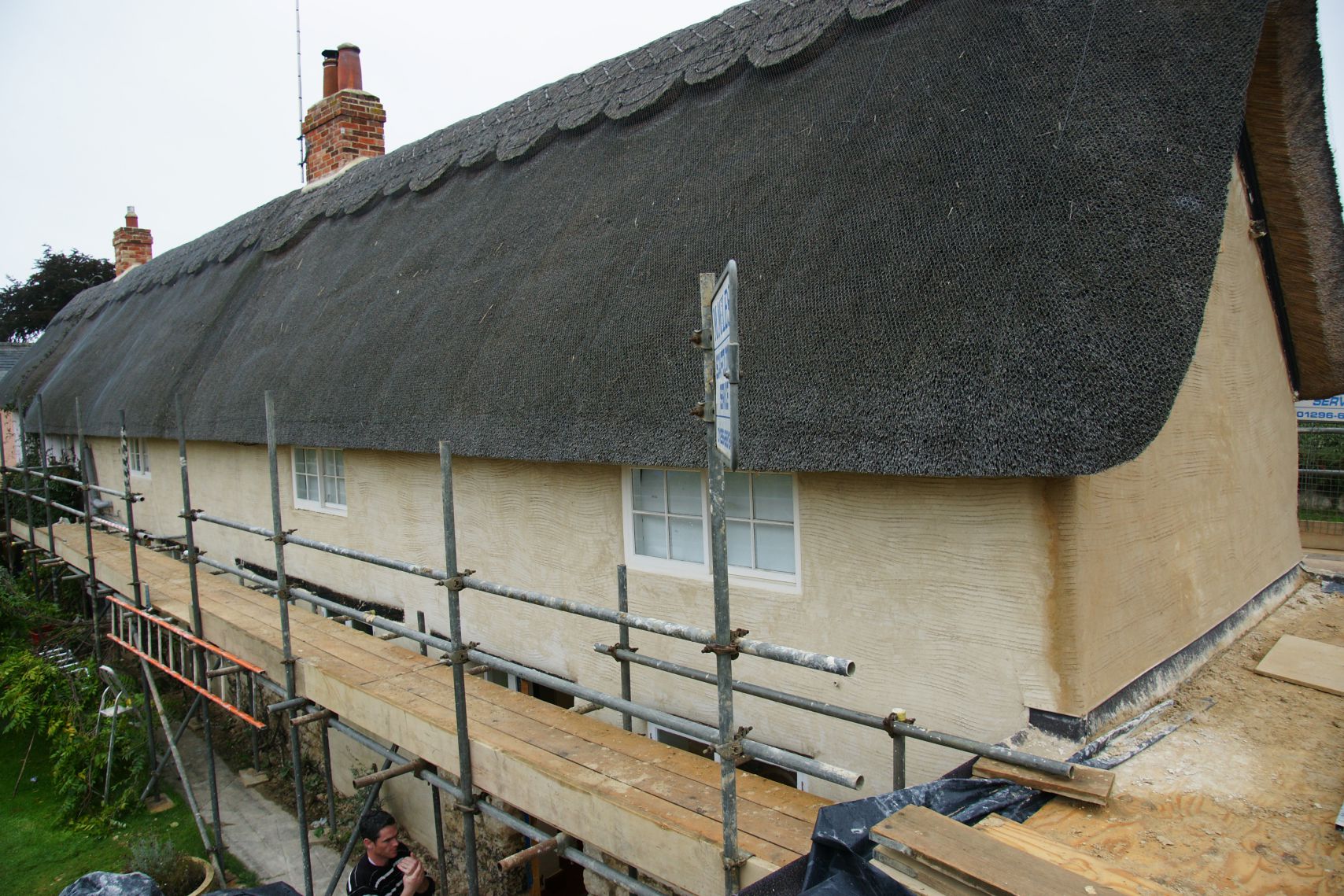
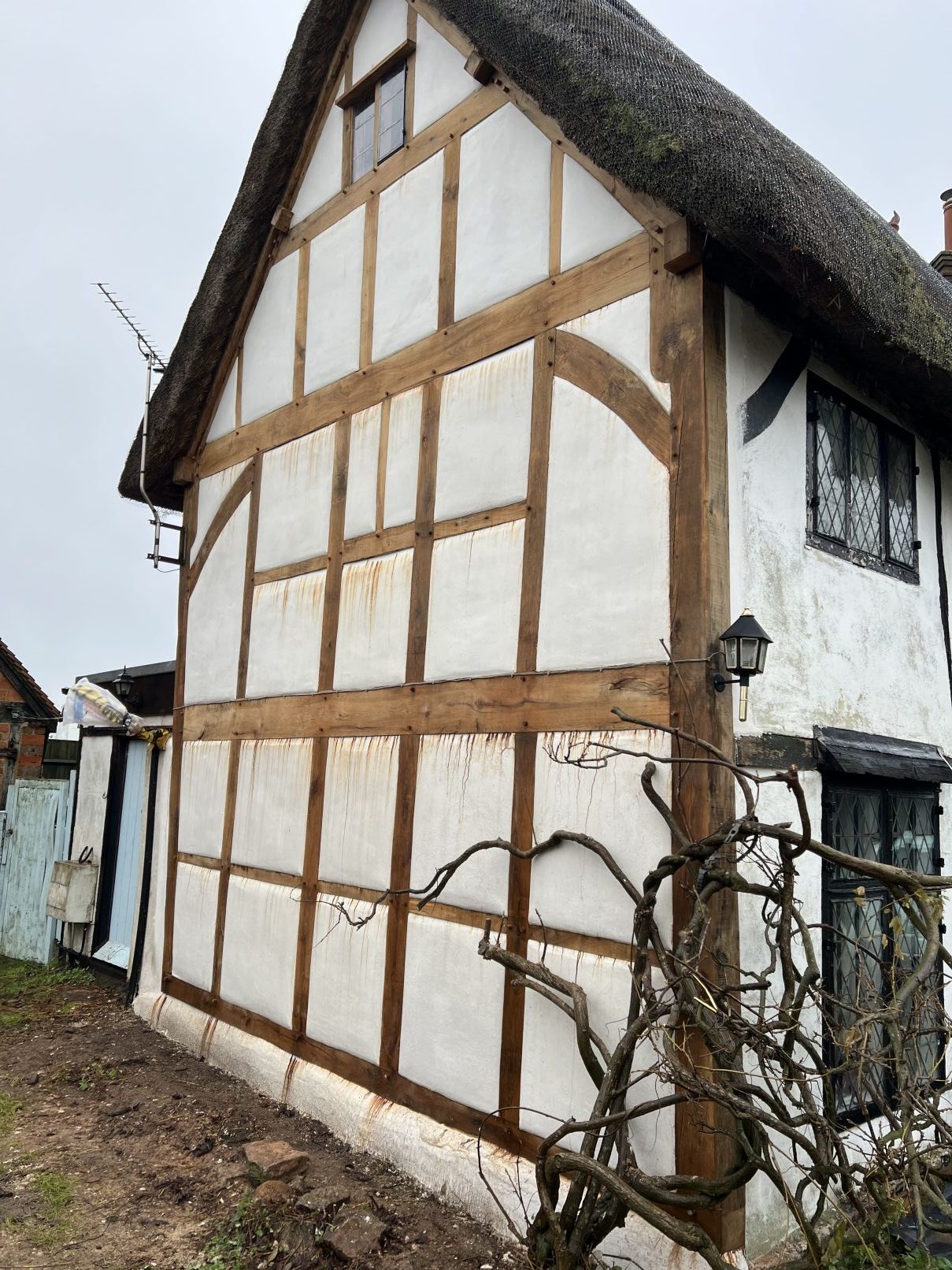
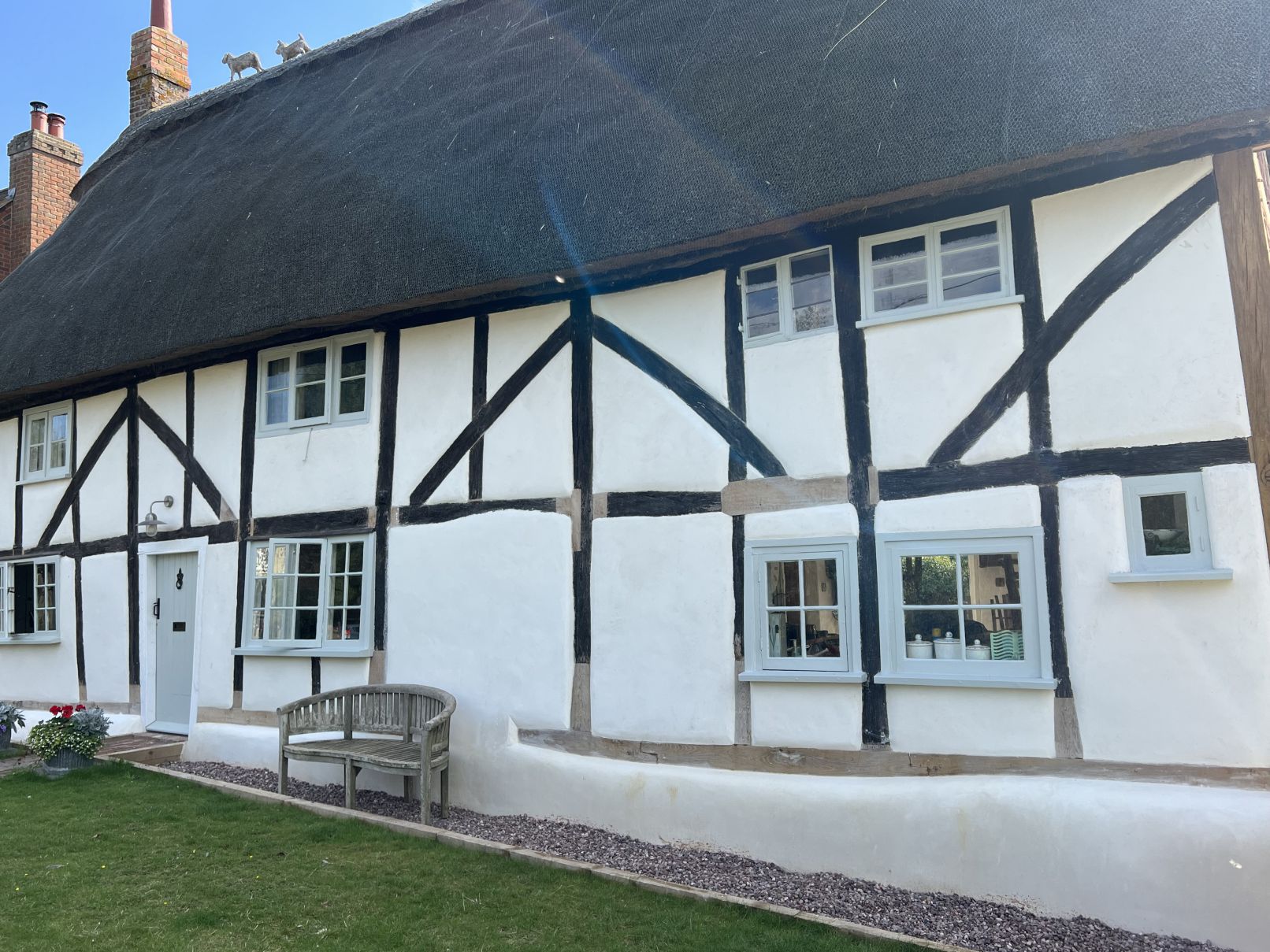
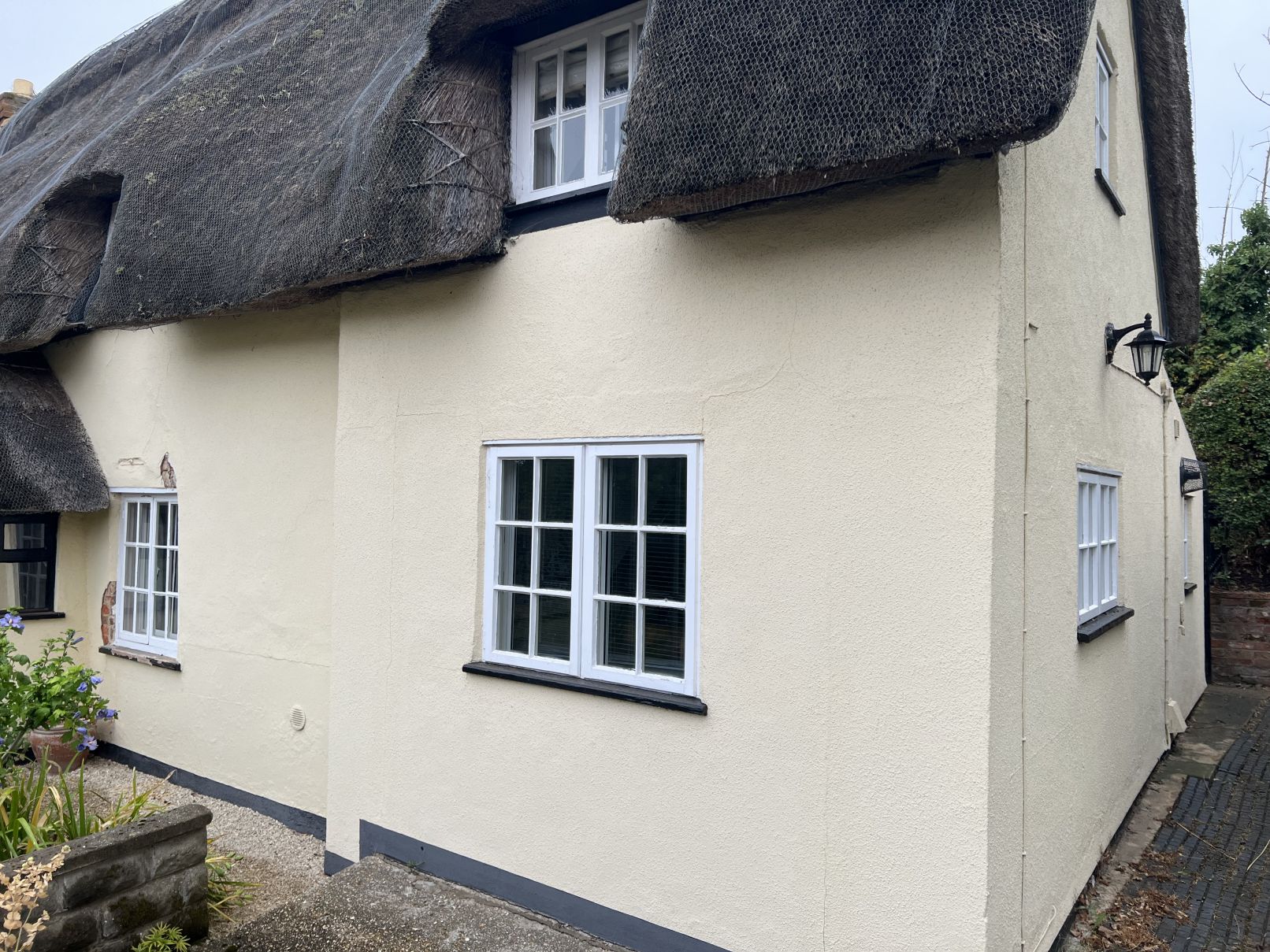
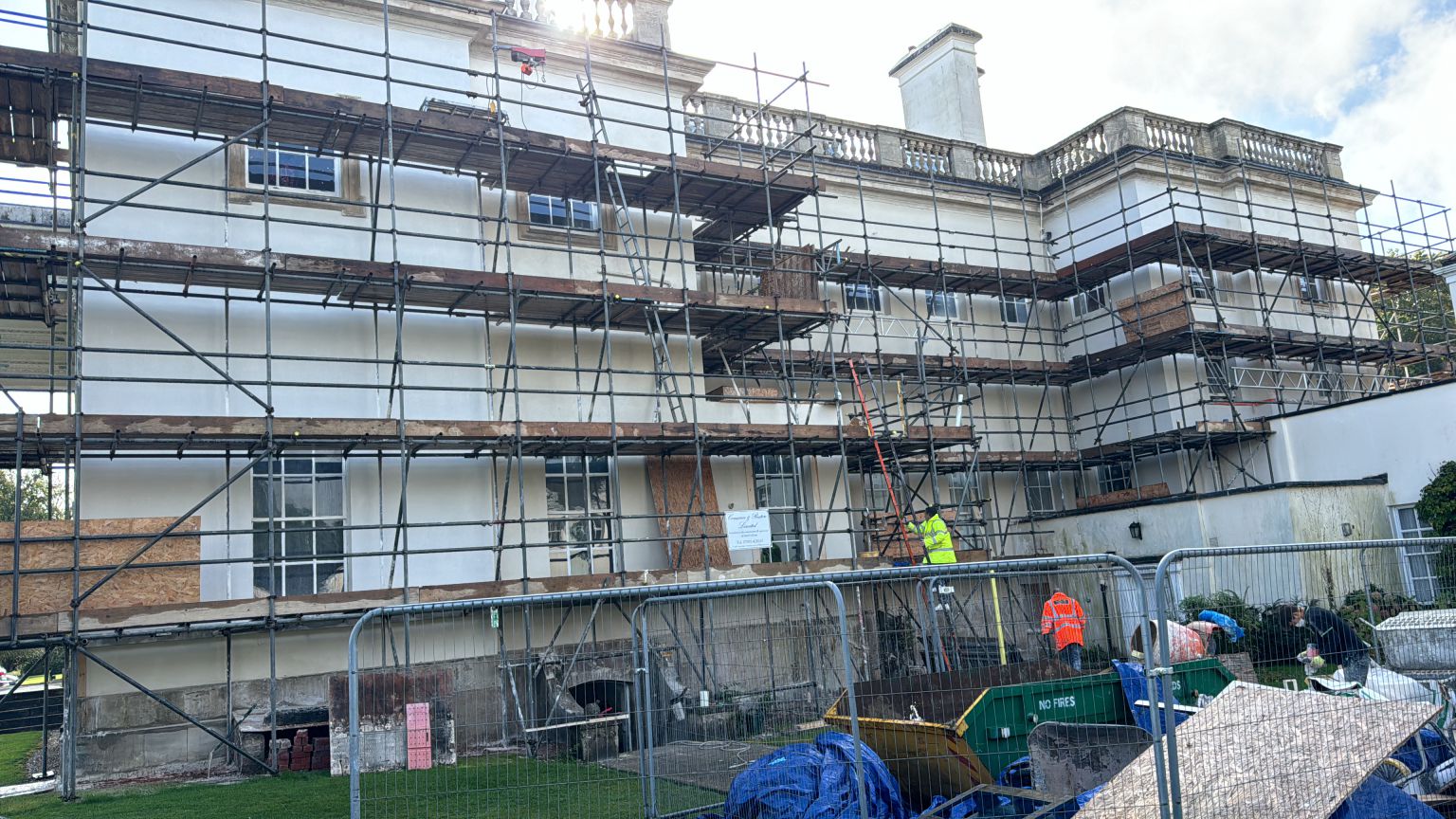
We have extensive experience with a whole range of lime works. Including Lime plastering, Lime rendering, brickwork and pointing.
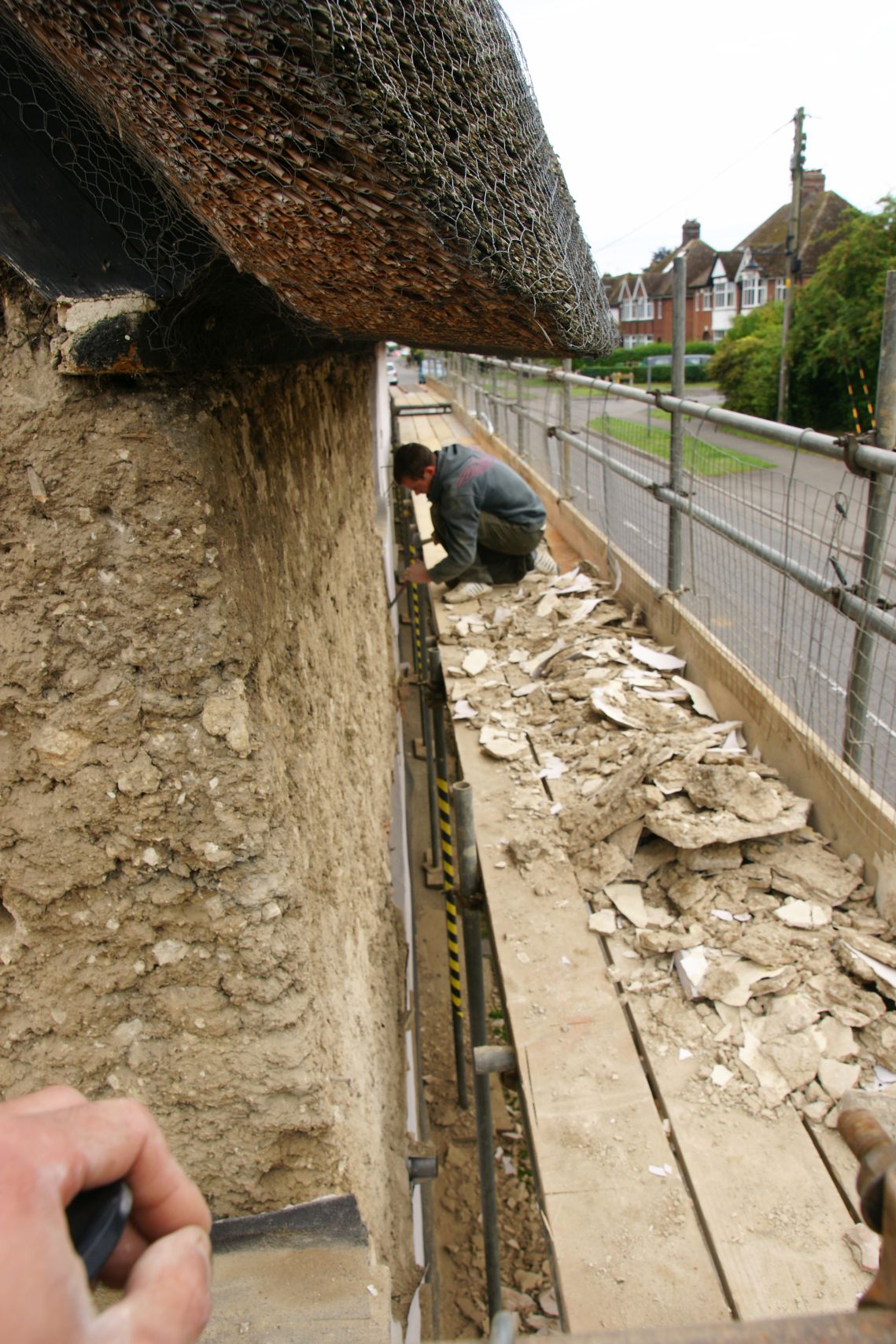
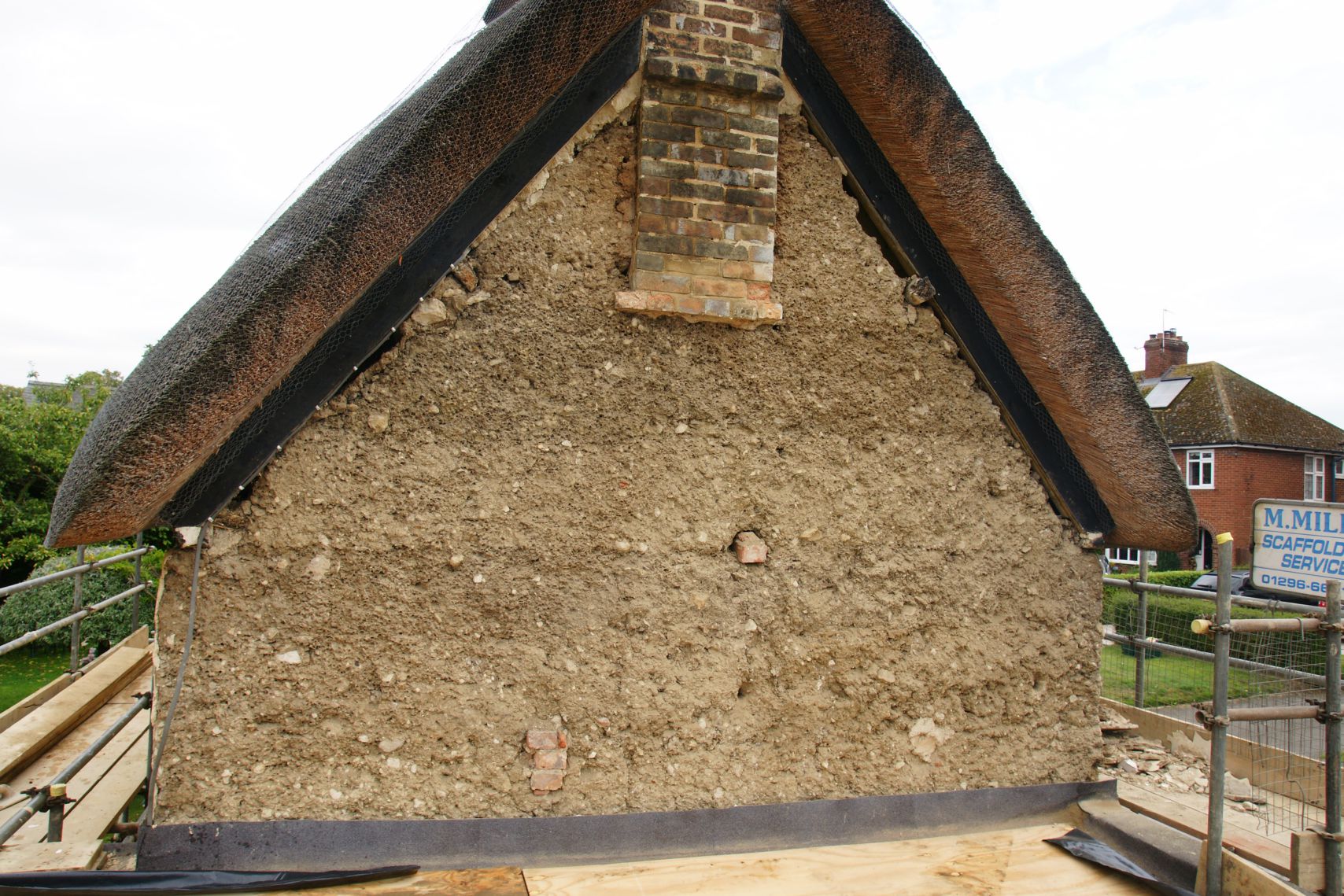
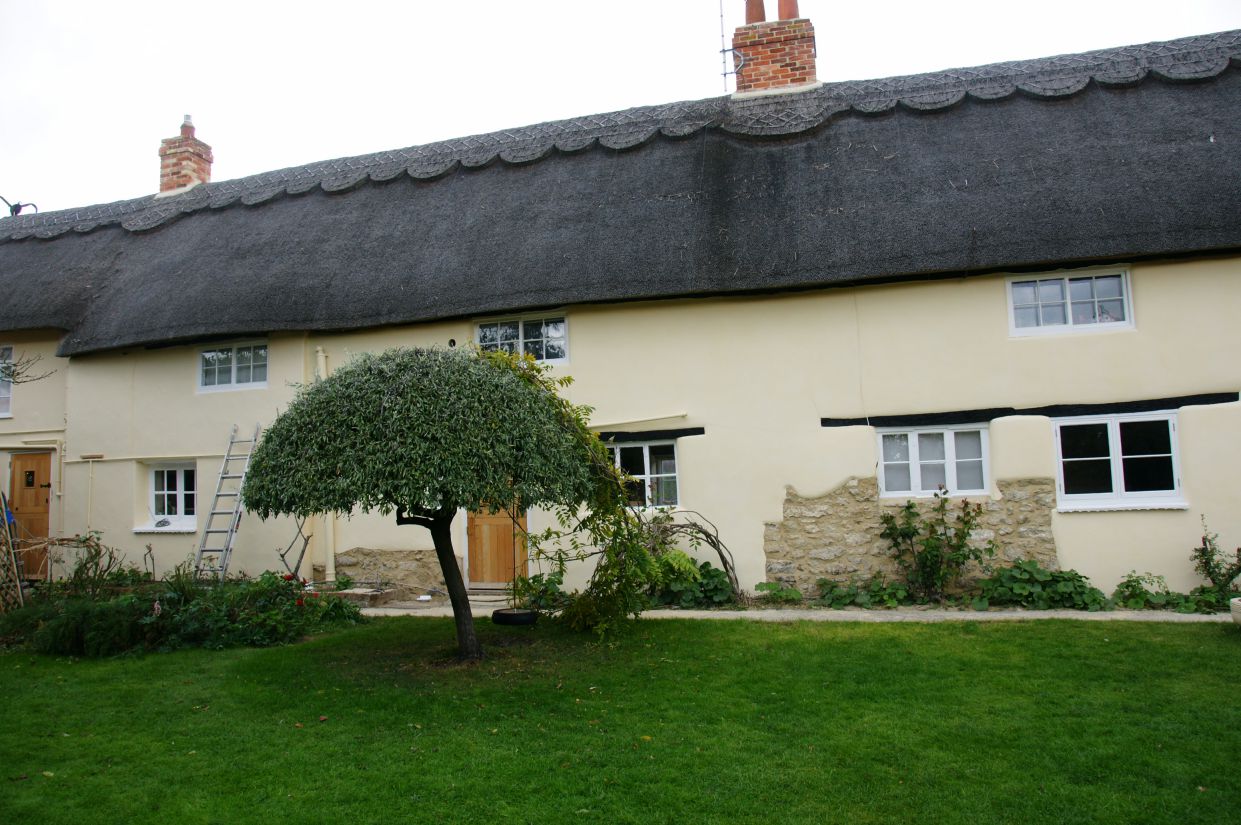
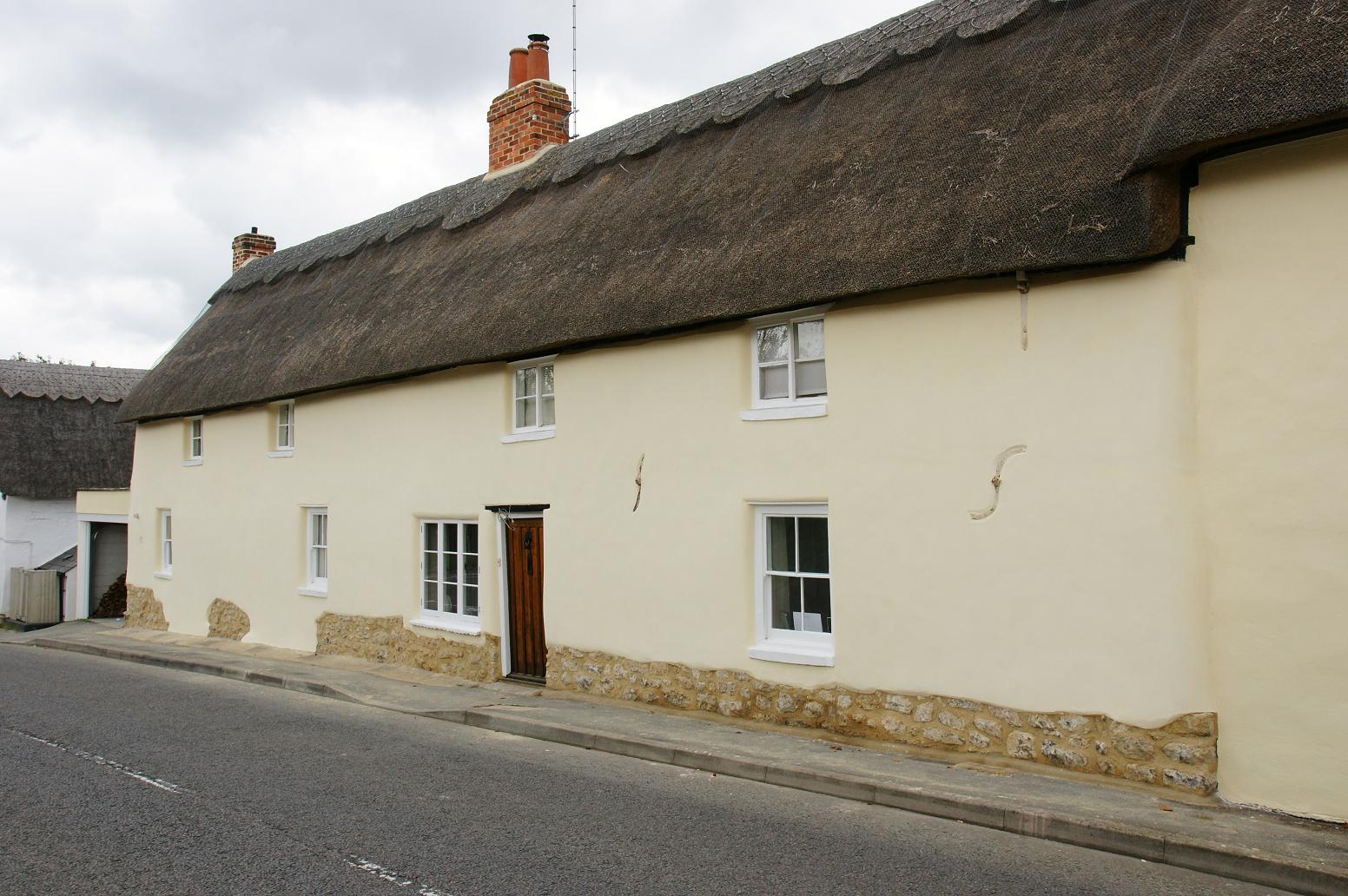
Why Use Lime?
Using lime mortar and lime plaster on a listed building isn’t just a traditional choice. It’s usually the correct and safest one for the building’s long-term health. Here’s why:
🧱 Breathability (Moisture Control)
Lime is vapour-permeable, meaning it allows moisture to move through the walls and evaporate naturally.
- Prevents trapped damp (a big issue in older buildings).
- Reduces risk of mould, rot, and decay in timbers.
- Keeps internal humidity more stable.
By contrast, modern cement traps moisture inside walls, which can cause serious damage over time.
🏛️ Flexibility (Prevents Cracking)
Historic buildings naturally move slightly due to:
- Ground movement.
- Temperature changes.
- Age-related settling.
Lime mortar and plaster are more flexible than cement, so they can accommodate this movement without cracking.
🧩 Sacrificial Protection
Lime is softer than the surrounding materials (like brick or stone), which is actually a benefit:
- It takes the wear and weathering instead of the masonry.
- It’s easier and cheaper to repair lime joints than damaged bricks or stone.
🌧️ Improved Durability of Original Materials
Because lime allows moisture to escape:
- Bricks and stone stay drier.
- Less frost damage occurs (water freezing inside masonry causes cracks).
- Overall lifespan of original materials is extended.
🎨 Authentic Appearance & Compliance
For listed buildings, maintaining historical accuracy matters:
- Lime gives a softer, more natural finish that matches original construction.
- Required or strongly recommended by bodies like Historic England.
- Helps with planning/listed building consent approvals.
🌱 Eco-Friendly Choice
Lime has a lower environmental impact than cement:
- Absorbs CO₂ as it cures (a process called carbonation).
- Typically requires less energy to produce.
⚠️ Important Note
Using cement instead of lime on a listed building can:
- Trap moisture → leading to damp and internal damage.
- Cause bricks or stone to crack or spall.
- Potentially breach listed building regulations.
👍 In Short
Lime mortar and plaster help a historic building:
- “Breathe”.
- Move naturally.
- Stay structurally sound.
- Retain its original character.